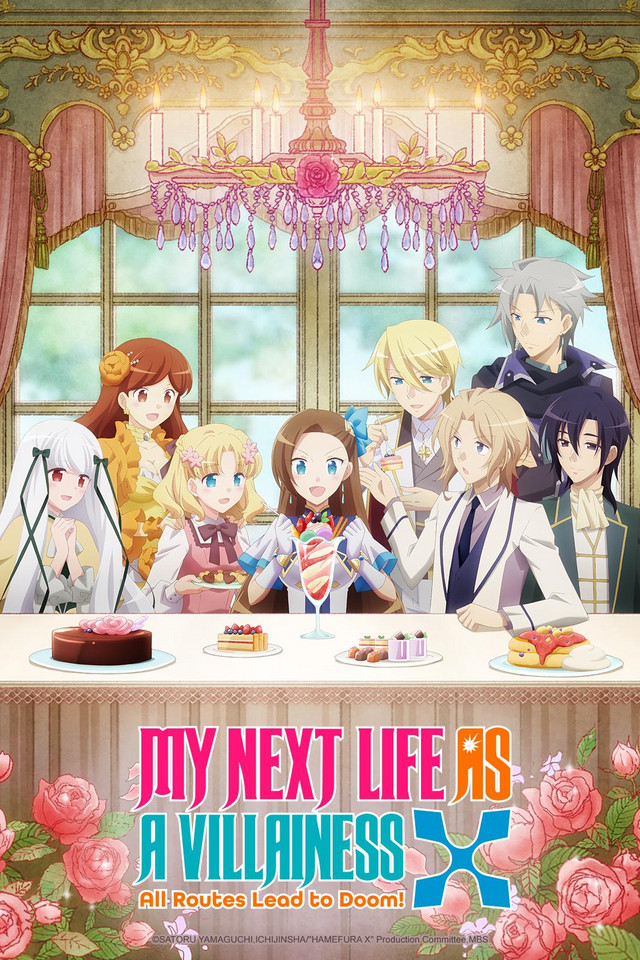
(Spoilers for the setup for My Next Life as A Villainess)
The other day I was looking for a new anime and stumbled across a series called My Next Life as A Villainess: All Paths Lead to Doom. The show follows a girl who dies and is reborn into her favorite otome game as the main villainess who suffers a terrible fate in all her endings.
If this setup sounds familiar, it’s because it’s all over the anime/manga scene right now, and it’s an isekai.

For those of you who might not know, an isekai is any story where a character is transported and usually trapped in a strange world. A popular subset of this genre is when the protagonist from the modern-day dies and is reborn in the new reality.
As you may have picked up, isekai isn’t limited to people from the real world ending up in a fantasy. The series The Devil is a Part-timer! is a famous example of an isekai where people from a fantasy world get transported to Tokyo.
It would be wrong to say this is a new genre. The original Digimon series, especially when the kids were trapped in the Digital world, would count as isekai. Despite Kagome not really being trapped in the feudal era, Inuyasha does count as an isekai, and the sequel (that I wish not to think about) fits the requirements even more.

It’s not even a purely Japanese genre, either. The Dungeons & Dragons cartoon from the 80s features kids getting transported to a fantasy world. Technically, Once Upon A Time is an isekai with fairytale characters coming to our world.
Diana Wynne Jones, my favorite author, often wrote fantasy novels that had isekai elements. Howl’s Moving Castle and The Chrestomanci series feature world-jumping characters, while the protagonist of her book A Tale of Time City is the one who was isekai-ed. The oldest of the novels listed was from 1977.
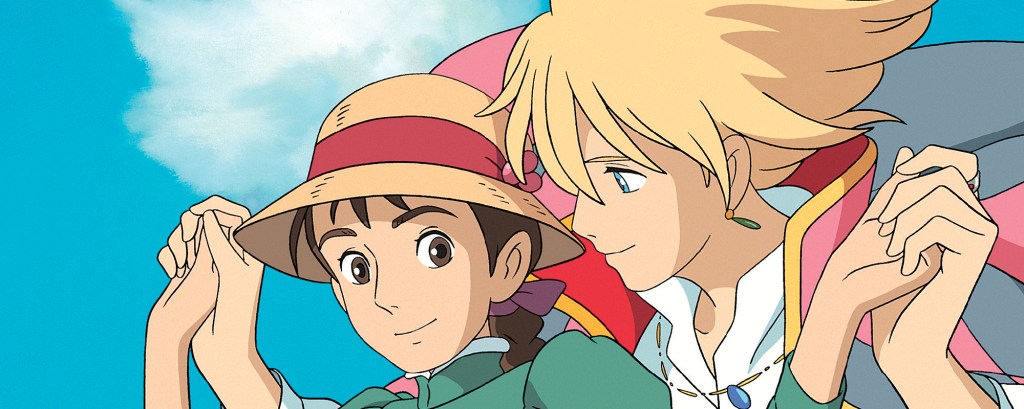
Adding to the mix, 1865’s Alice’s Adventures in Wonderland and the ancient Japanese story of Urashima Tarō, it can be understood that the isekai genre is old and widespread.
What’s the Appeal
All fiction is about escapism. Whenever people consume any kind of media, it is to escape something.
It could be trying to forget one’s poor romantic success, the pressures of work/school, racial injustice, or you could just be bored. Whatever the reason, you’re doing it to escape something.
Isekai series take this escapism and turns it up to 11.
Protagonists in isekai tend to either be pretty generic or surrounded by a generic setting. It’s the same method used by romance and action movies to relate to their audience. Many isekai (specifically the normal-person-in-fantasy isekai) heighten the relatability of their characters by appealing to a subset of the audience. By targeting specific viewers, isekai ensures that their protagonist will act as a stand-in for the audience more effectively.
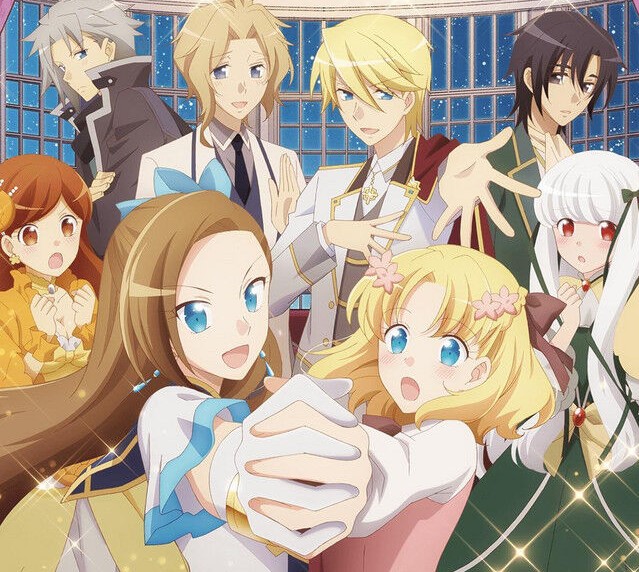
Take My Next Life as a Villainess, for example. The protagonist is a regular high school student who loves playing dating sims in her free time. While this anime definitely appeals to a broader audience, the target audience consists of people who understand the dating sims genre or the reverse harem genre.
Frequently people with hobbies like playing dating sims, watching anime, or anything that doesn’t have any tangible gain will be told that they are wasting their time. My Next Life as a Villainess, and isekai like it, tell the viewers that the opposite is true. The protagonist’s success comes from her hobby, so there is tangible change now.
That is why isekai are so prevalent in media. They’re the ultimate nerd power fantasy.
Will the Bubble Burst?
The isekai genre probably isn’t going anywhere anytime soon. Like I said, it’s ancient. Hell, the genre hasn’t even gone through its self-deprecating parody era yet.
Instead, I think we’re going to see it shift into the RPG scene.

Not to say there aren’t already some isekai RPGs out there, but the genre hasn’t exploded the same way it has in anime. When it does, I imagine it could change the landscape of gaming.
Plenty of RPGs already have faceless, voiceless, customizable playable characters. Think of the player in Stardew Valley, the Dragonborn in Skyrim, or the Ashen One in Dark Souls III. These characters are mostly blank slates that the player gets to decide their personality and decisions.
In the coming years, I can imagine these bland characters being replaced with characters who were isekai-ed into the game world. The characters will still likely be mostly blank slates, but their dialogue will give that occasional reference to them being from our world.
Speak in of which, My Next Life as a Villainess is getting a game adaptation. Maybe the shift will happen sooner than I thought.

 I Think Thinks