
Major spoiler for She-Ra 2018. Minor spoilers for Naruto. And the OG Charmed, I guess but can you really spoil a show that’s old enough to get a reboot?
The thing about fanfiction is that there are things that wouldn’t fly in mainstream media but get a green light in fanfic. I, for example, would never watch an Omegaverse show or movie, but I’ve perused my fair share of fanfics in that genre when my updates were dry. (/▽\)
So, it comes as no surprise that the people who write fanfictions noticed the chemistry between a hero and their usually single-mindedly obsessed villain and decided to run with it.
There aren’t strict rules for this trope, but based on the fics I’ve read, these would be the requirements.
The characters have to start out hating each other, and I say hate, I mean it. They have to despise each other. Two characters who argue like an old married couple doesn’t count because those characters aren’t necessarily adversaries. I would even go as far as to say them being enemies has to be the defining aspect of their relationship in the series.
Throughout the story, these enemies put aside their differences and fall in love. Even though the title doesn’t include friendship, there is often a middle stage where the characters get to know each other before jumping into a romantic relationship.
This trope is tricky to pin down because the threshold for what counts as “enemies” changes depending on the genre.
For example, the Hunger Games’ Katniss and Peeta are arguably enemies-to-lover. At different points in the series, one of them works against and even wants to kill the other. What stops the couple from fitting into this trope is that their hatred is one-sided and based on a misunderstanding.
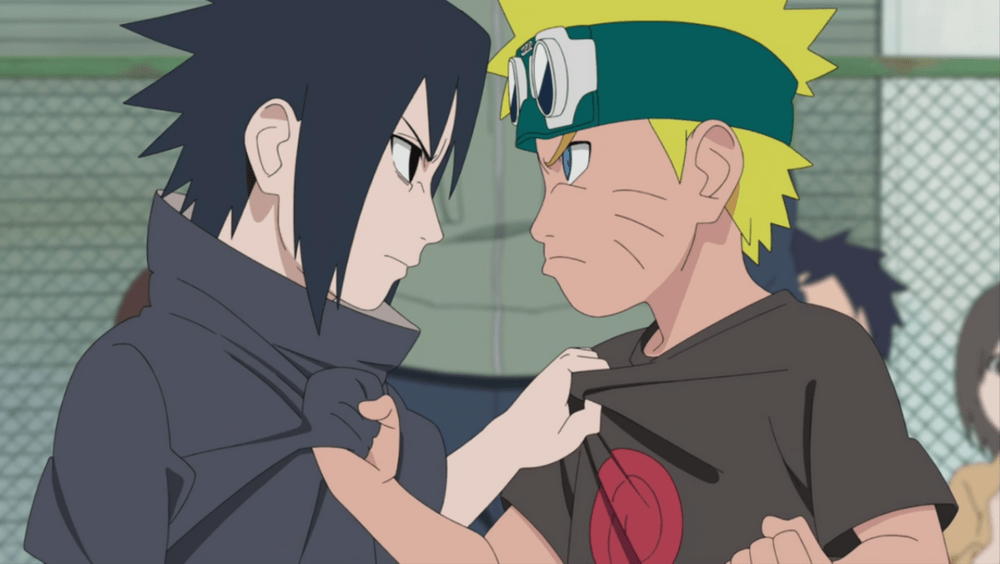
An excellent way to identify if a story fits this trope is to check if the enemy-lovers are each other’s foil. In literature, a foil is a dark reflection of the protagonist’s character. The Naruto series has a lot of examples of this. The brooding Sasuke, bloodthirsty Gaara, idyllic extremist Nagato, and quiet outcast Haku were all foils to stubborn underdog Naruto.
The enemies-to-lovers trope is built on a foundation of two characters learning to open up to the person that they hate the most. After all, there is a fine line between love and hate. If you think about it, enemies-to-lovers are the epitome of opposites attract. This is usually where the realm of fanfiction succeeds where mainstream media fails.
Convicting the audience of a developing romance is a place where professional writers struggle a lot. Audiences need more than “love works in mysterious ways” for them to get behind the idea of a couple. There’s also the fact that most writers don’t plan for their villains and heroes to develop a romance. Any chemistry between the protagonist and antagonist is usually only meant to imply they would make good friends if the villain weren’t so evil.

Fanfiction writers pick up that chemistry and explore how the characters’ animosity can be playout with romantic undertones. Since the original work already set up the dynamic, fanfic writers just need to transition from the established relationship to lovers. Readers tend to look up fanfictions based on their ships, so the authors don’t usually need to convince the readers on board with the couple.
Long story short, fanfiction doesn’t need to explain why Superman and Lex Luthor suddenly put their years of aggression behind them. The fic author just says everything is alright, and the readers’ suspension of disbelief allows them to accept it. Other times, fic writers will embrace the dark nature of their ship.
Original content writers don’t have that luxury. If they want an enemies-to-lovers romance, they’re going to need a redemption arc for the villain. These can be tricky to pull off life for several reasons. The YouTube channel Overly Sarcastic Productions has a video on redemption arcs that you can check out here. In that video, Red points out how getting the audience on board with the former villain’s shift in alignment is the hardest part of the redemption arc.
Something also worth mentioning is that bad guys don’t always live to see their redemption. In a lot of stories, the bad guy dies doing a single act of good. In sacrificing their life, they have somehow undone every horrible thing that they have done. Keep in mind that the bad guy could have completely selfish reasons to do this before kicking the bucket, but the story will still tell you that they count as good now. They don’t need to work on being a better person for the story to tell us they are now.
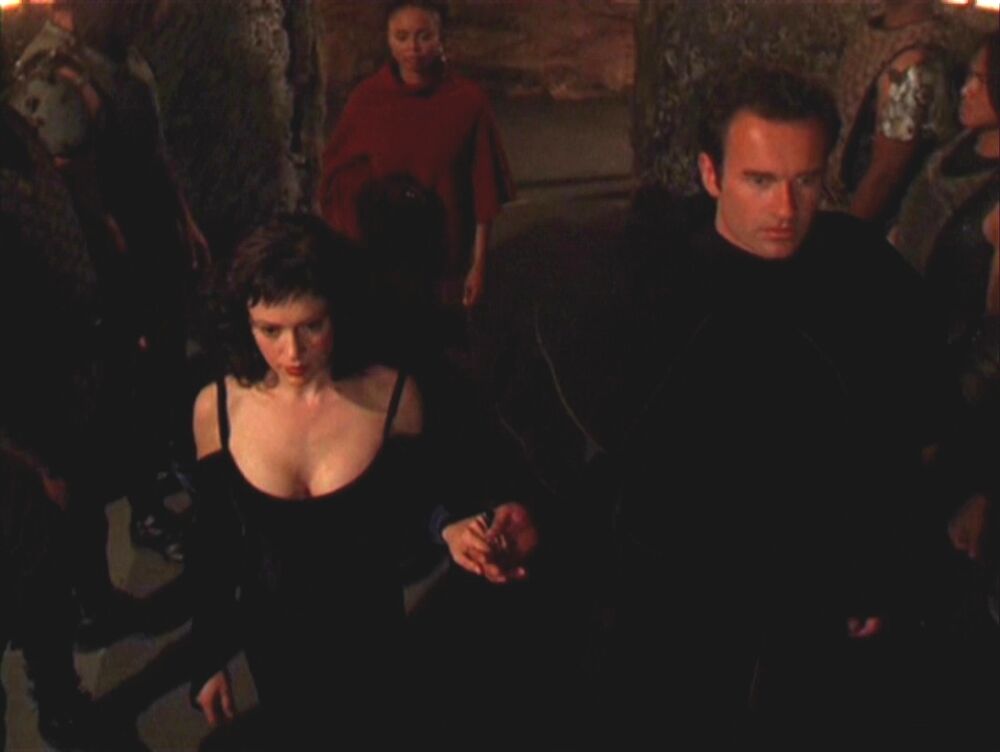
A way around this is to make the good guy character join the bad guys, but that is an even harder pill to swallow. While a hero’s descent into villainy is a different and compelling narrative, romance being a significant factor in that decision highlights all the toxic elements of the enemies-to-lovers relationship.
When a good guy is turned evil, there is a clear shift in power dynamics where the villain holds power over the former hero. This unbalanced relationship makes it obvious that the hero will leave the villain and go back to fighting them. The whole point of enemies-to-lovers is that the couple is the series end goal.
Someone Actually Pulled it off
2018’s She-Ra manages to do a pretty good job at pulling off a believably enemies-to-lovers romance by making Catra and Adora friends before they become enemies. Because the audience is shown how close their bond was initially, they are invested in seeing if it can be repaired.

It also helps that their conflict was started by an outside force. When Adora discovers that the Horde is evil and she is the legendary hero She-Ra, she leaves to join the Princess Alliance’s rebellion. Catra, who always knew of the Horde’s horrors, was tasked by Shadow Weaver to bring back Adora. Beyond that, Hordak’s desire to conquer Etheria creates the conflict for the first 4 seasons of the show.
Catra’s choice to align herself with the Horde is also explained so the audience can understand her. Despite being the girl’s caregiver, Shadow Weaver was abusive to Catra. However, Shadow Weaver could sense Adora’s abilities, so she treated Adora like she could do no wrong. Because of this, Catra is desperate to prove that she is better than Adora. Now that they are on different sides of a war, Catra can use her battle victories to prove her worth. This is a double-edged sword for romance.
While some fans can sympathize with Catra, but as she slips deeper and deeper into villainy, some fans turn away from the idea of Adora and Catra forming a relationship. Catra also shows a distinct lack of personal growth. At the same time, Adora’s entire storyline focuses on her becoming independent and owning her power as She-Ra.
The series finally decides to move toward the lover part of the trope in the final season. Catra finally does an act of good and puts her life at risk in the process. After hearing what happened, Adora immediately puts aside their seasons of grievances. She rushes in to save Catra despite having lost her ability to transform into Sha-Ra at the time. It is through saving Catra that Adora was able to unlock a new She-Ra form.
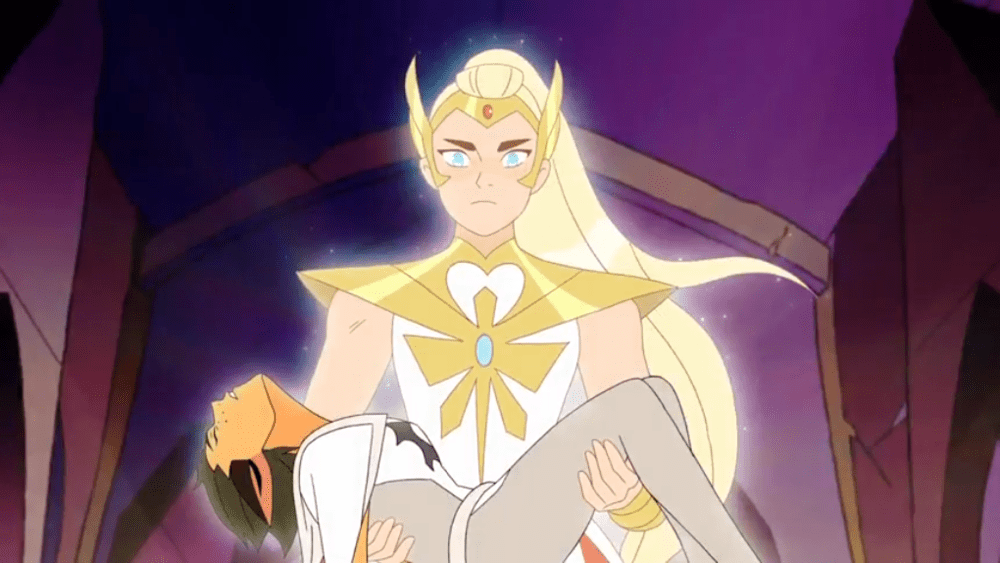
Now that the pair is working together, the audience can see something their rivalry prevented us from seeing: Catra supporting Adora. I’m not going to go into the details of how the whole Heart of Etheria plot went, so here’s a very brief summary.
Adora is given the ability to defeat the big bad, but it will kill her if she isn’t strong enough. Catra initially refuses to stand by and watch Adora die, so she leaves. Adora is torn by this because she doesn’t want to lose Catra after getting her back, but the universe needs her to save it. This is also throwing off her ability to transform into She-Ra, ensuring that she will fail. When Catra realizes that the villain set a trap for Adora, Catra rushes to her side and confesses her love. This gives Adora the strength she needed and allows her to save the universe.
I know for a fact that there were fans out there who weren’t happy about the Catradora finale. I was one of them. It felt like Catra was forgiven too quickly, that she had hurt Adora too much to earn it. Still, it never felt out of character or like it was promoting unhealthy relationships. Adora wasn’t afraid to love and get heartbroken because she has a support system of friends who will be there for her if the time comes. Catra was able to disagree with Adora without turning evil. After seasons of failing to express herself, Catra confessed her love.
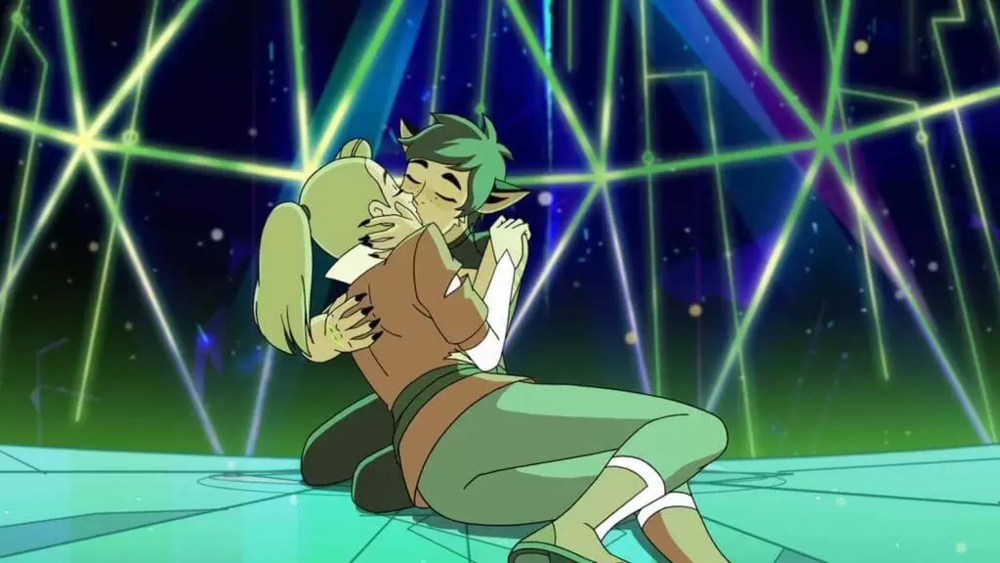
She-Ra’s success with the trope looks good for the future possible attempts at it. Most hero-villain romances in media happen when the villain is the hero’s bitter ex. While that isn’t untrue for She-Ra, it is refreshing to see this tension resolved in a genuine romance for once. While we may not see another successful enemies-to-lovers romance in the mainstream anytime soon, Catradora establishes a formula others can follow. Hopefully, other writers will follow its lead to write romances like or even better than She-ra’s in the future.

 I Think Thinks